The Automation Paradox: Why Efficiency Creates New Complexity in Modern Systems
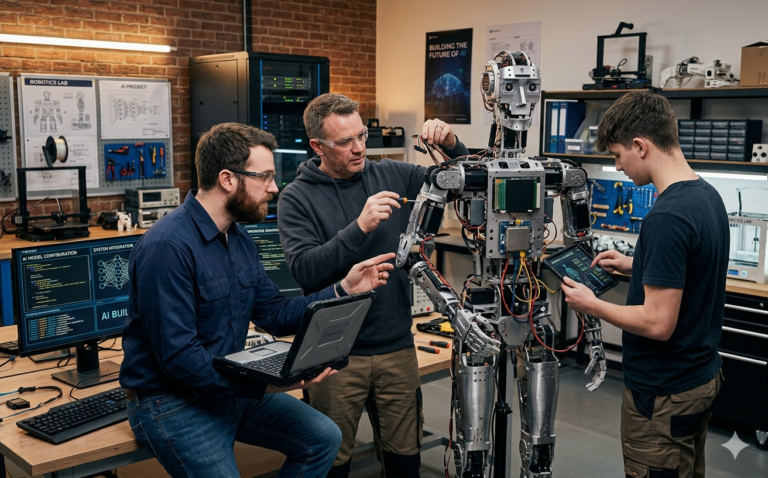
Automation has become one of the most transformative forces in modern society. From manufacturing plants to digital workplaces, intelligent systems now perform tasks that once required constant human involvement. This shift has improved efficiency, reduced costs, and increased production speed across industries.
However, this transformation is not as straightforward as it appears. While automation promises freedom from repetitive tasks, it also introduces new dependencies and complexities that reshape how humans work and think. In many discussions about technological evolution, the automation paradox is used to describe this contradiction between increased efficiency and growing reliance on systems that reduce human control.
As organizations continue integrating advanced technologies such as artificial intelligence, machine learning, and robotics, the balance between human decision-making and automated execution becomes increasingly delicate. Understanding this balance is essential for navigating the future of work and digital transformation. riproar, cloudysocial, feedbuzzard, zillexit, jotechgeeks, techoelite, Scookiegeek.
The Rise of Automated Systems
The development of automation began with simple mechanical tools designed to reduce manual labor. Over time, these systems evolved into complex digital frameworks capable of performing highly sophisticated tasks. manus report analysis modes comparison
In manufacturing, automation introduced assembly lines that dramatically increased production speed. In the digital world, algorithms now handle data analysis, customer interactions, and decision-making processes.
Despite these advancements, the automation paradox becomes visible when efficiency improvements lead to reduced human oversight. As machines take over more responsibilities, humans often lose familiarity with the processes they manage.
In many industries, this shift has created environments where workers supervise systems rather than actively participating in core tasks. While productivity increases, understanding of underlying processes sometimes decreases.
How Automation Reshapes Human Work
Automation has fundamentally changed the structure of work. Many traditional roles have been replaced or redefined to focus more on system management than manual execution.
Employees now spend more time monitoring automated systems, interpreting outputs, and handling exceptions rather than performing repetitive tasks. This shift has increased efficiency but also reduced hands-on experience in many fields.
The automation paradox becomes especially evident in industries where workers depend heavily on automated systems without fully understanding how they operate. This can lead to skill gaps and reduced problem-solving capabilities over time.
At the same time, new job categories have emerged, including automation engineers, data analysts, and system supervisors. These roles require a combination of technical knowledge and strategic thinking.
Productivity vs Dependency
One of the most important aspects of automation is the balance between productivity gains and system dependency. While automation increases output, it also creates reliance on technology to maintain operations.
When systems function properly, productivity rises significantly. However, when failures occur, organizations may struggle to respond effectively due to reduced human familiarity with underlying processes.
This is where the automation paradox becomes particularly relevant. Increased efficiency often comes at the cost of reduced human autonomy and adaptability.
Organizations must carefully manage this balance to ensure that automation enhances rather than replaces critical thinking and decision-making skills.
Decision-Making in Automated Environments
Modern automation systems often include algorithms capable of making real-time decisions based on data inputs. These systems are used in finance, healthcare, logistics, and many other industries.
While automated decision-making improves speed and consistency, it also raises concerns about transparency and accountability. Humans may not always understand how decisions are made, especially when complex machine learning models are involved.
The automation paradox highlights the tension between trusting automated systems and maintaining human oversight. In some cases, organizations rely so heavily on automation that human intervention becomes rare or reactive rather than proactive.
This shift requires careful governance to ensure that automated decisions remain ethical, accurate, and aligned with human values.
Impact on Skills and Workforce Development
As automation becomes more widespread, the skills required in the workforce are also changing. Routine tasks are increasingly handled by machines, while humans are expected to focus on strategic and analytical roles.
This transition creates both opportunities and challenges. Workers must continuously update their skills to remain relevant in evolving industries.
In many discussions about workforce transformation, the automation paradox is used to describe how increased reliance on technology can reduce hands-on expertise while simultaneously demanding higher-level cognitive skills.
Training programs and educational systems are now adapting to this shift by emphasizing digital literacy, problem-solving, and system thinking.
Psychological Effects of Automation
Automation not only affects work processes but also influences human psychology. Many individuals experience reduced engagement when tasks become overly automated.
When systems handle most of the workload, people may feel disconnected from outcomes or less responsible for results. This can lead to decreased motivation and reduced job satisfaction.
The automation paradox also appears in situations where increased convenience leads to reduced awareness. As tasks become easier, users may pay less attention to underlying processes.
Maintaining a sense of involvement and purpose becomes an important challenge in highly automated environments.
Economic Implications of Automation
Automation has significant economic effects, including increased productivity, reduced operational costs, and improved scalability for businesses.
However, it also raises concerns about job displacement and income inequality. While new roles are created, some traditional jobs are eliminated or transformed.
The automation paradox becomes visible in the way economic efficiency sometimes leads to social and workforce instability. Systems designed to improve productivity can unintentionally create structural imbalances.
Governments and organizations must therefore consider policies that balance technological advancement with workforce sustainability.
Ethical Considerations in Automation
Ethics plays a crucial role in the development and deployment of automated systems. Questions about fairness, transparency, and accountability are central to modern technological discussions.
When machines make decisions, it becomes important to ensure that these systems operate without bias and align with human values.
The automation paradox raises ethical concerns about reducing human oversight while increasing reliance on systems that may not fully understand context or morality.
Developers and policymakers must work together to create frameworks that ensure responsible use of automation technologies.
Automation in Everyday Life
Automation is not limited to industrial or corporate environments. It is now deeply integrated into everyday life through smart devices, digital assistants, and online services.
From automated recommendations to smart home systems, people interact with automation constantly without always realizing it.
This convenience improves quality of life but also increases dependence on technology. The automation paradox becomes evident when users rely so heavily on automated systems that manual control becomes unfamiliar or inconvenient.
Understanding this balance is important for maintaining digital independence and awareness in daily life.
Risks and Limitations of Automation
Despite its benefits, automation is not without limitations. Systems can fail, misinterpret data, or behave unpredictably in complex situations.
Overreliance on automation can reduce human preparedness for unexpected events. When systems fail, organizations may struggle to recover quickly.
The automation paradox highlights this vulnerability by showing how increased efficiency can sometimes reduce resilience.
Proper system design must include fallback mechanisms, human oversight, and continuous monitoring to mitigate risks.
The Future of Automation
The future of automation is expected to be shaped by artificial intelligence, advanced robotics, and adaptive learning systems. These technologies will make automation more intelligent and flexible.
Systems will likely become more capable of understanding context, predicting outcomes, and adapting to changing environments.
However, the automation paradox will continue to exist as systems become more advanced. Increased intelligence in machines will further challenge the balance between human control and machine autonomy.
The future will require thoughtful integration of human judgment and automated efficiency.
Human-Automation Collaboration
Rather than replacing humans, the future of automation is increasingly focused on collaboration between humans and machines.
In this model, machines handle repetitive and data-heavy tasks, while humans focus on creativity, strategy, and emotional intelligence.
This partnership aims to combine the strengths of both humans and technology.
The automation paradox is most effectively managed when systems are designed to support rather than replace human capabilities.
FAQs
What is automation in simple terms?
Automation refers to the use of technology to perform tasks with minimal human intervention, often improving efficiency and consistency.
Why is automation important today?
Automation is important because it increases productivity, reduces costs, and allows humans to focus on more complex and creative tasks.
What challenges does automation create?
Challenges include job displacement, dependency on technology, reduced hands-on skills, and ethical concerns about decision-making systems.
How does automation affect jobs?
Automation changes job structures by replacing repetitive tasks while creating new roles that require advanced technical and analytical skills.
Can automation completely replace humans?
No, automation cannot fully replace humans because creativity, emotional intelligence, and complex judgment still require human input.
What is the future of automation?
The future of automation involves greater AI integration, improved human-machine collaboration, and more adaptive intelligent systems.
Conclusion
Automation has reshaped modern society in profound ways, transforming industries, workflows, and daily life. While it offers significant benefits in terms of efficiency and productivity, it also introduces complex challenges related to dependency, skills, and decision-making.
Understanding these contradictions is essential for navigating the future of technology responsibly. The automation paradox serves as a reminder that technological progress is not purely beneficial or harmful, but a balance of both depending on how it is implemented and managed.
As automation continues to evolve, the key to success will lie in maintaining a healthy relationship between human intelligence and machine efficiency.