endbugflow software: Complete Guide to Modern Debugging and Development Workflows
In the modern world of technology, software development has become more complex than ever before. Applications are larger, systems are interconnected, and users expect flawless performance. Because of this complexity, identifying bugs and fixing issues quickly has become a critical challenge for development teams.
Debugging tools and workflow management systems are now essential components of the software development lifecycle. Developers rely on advanced solutions that can detect errors, track performance problems, and help teams collaborate effectively.
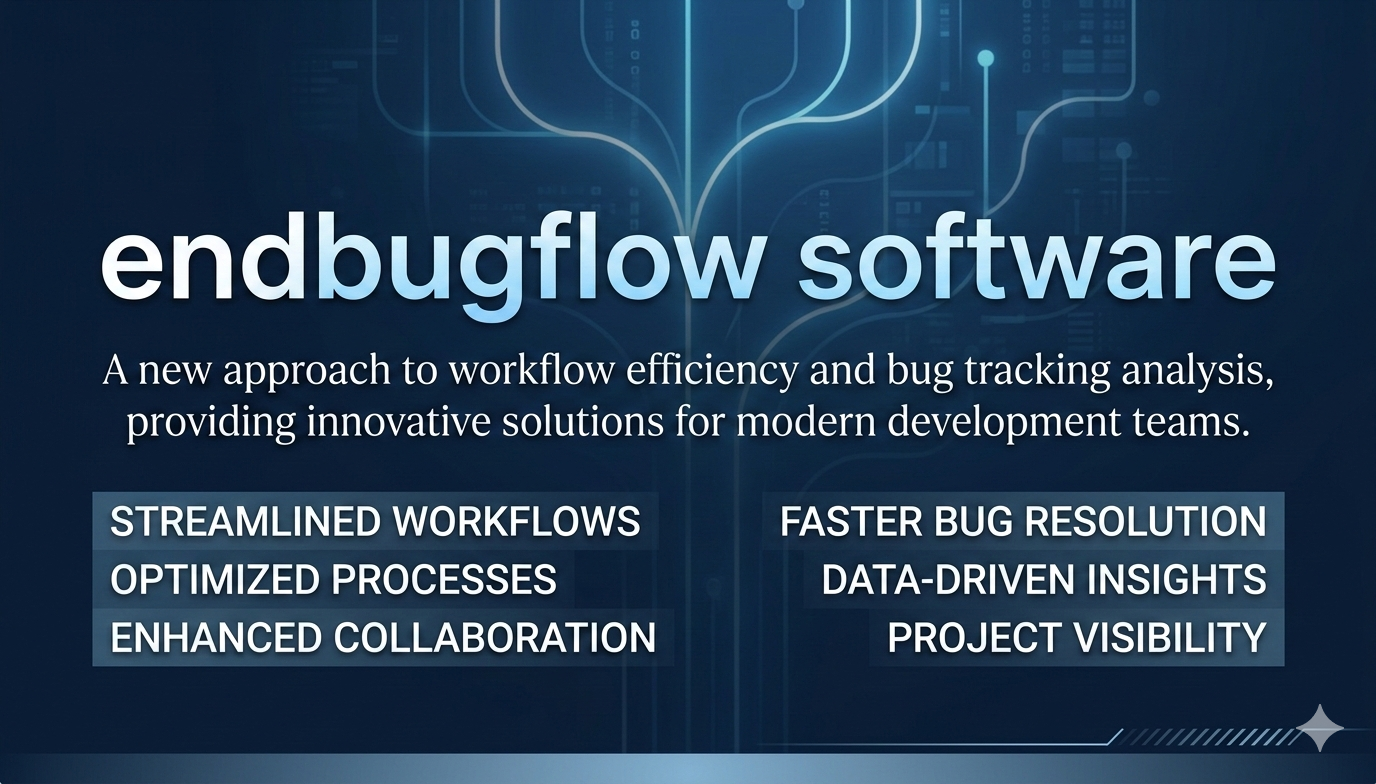
One of the emerging solutions gaining attention in the developer community is endbugflow software. This concept represents a new generation of development tools designed to improve the debugging process while enhancing collaboration between engineers, testers, and product managers.
As organizations continue to build complex digital systems, modern debugging tools are evolving rapidly. Solutions like endbugflow software aim to simplify development pipelines while ensuring reliability and stability in applications.
The Growing Complexity of Software Development
Software development today involves multiple layers of architecture. Applications are no longer standalone programs; instead, they consist of APIs, databases, cloud services, microservices, and third-party integrations.
Because of this, a single bug can originate from many different sources. It may be caused by a coding mistake, server configuration, compatibility issues, or communication errors between system components.
Traditional debugging methods often struggle to keep up with this level of complexity. Developers sometimes spend hours or even days trying to locate the root cause of a problem.
This is where modern workflow debugging systems become valuable. Platforms built with intelligent debugging frameworks, such as endbugflow software, help teams monitor code behavior in real time, making it easier to locate and fix errors.
Instead of manually tracing logs and reviewing large codebases, developers can rely on structured debugging environments that simplify the process and improve efficiency.
The Role of Debugging Tools in Development
Debugging tools have always been an essential part of programming. In the early days of software development, programmers often relied on simple log files and manual code reviews to identify problems.
However, as software systems expanded, debugging tools evolved to include automated error detection, performance monitoring, and system diagnostics.
Modern platforms provide developers with advanced capabilities such as:
- Real-time error tracking
- Automated bug detection
- Code performance analysis
- Integrated testing environments
- Collaborative debugging tools
Many teams are now exploring solutions like endbugflow software because they combine multiple debugging capabilities into a single streamlined workflow.
These tools allow developers to analyze system behavior, understand the cause of failures, and quickly deploy fixes without disrupting the entire development process.
Improving Developer Productivity
One of the most significant benefits of modern debugging systems is increased productivity. Developers often spend a large portion of their time identifying and resolving errors rather than building new features.
When debugging becomes inefficient, project timelines can quickly fall behind schedule. Teams may struggle to release updates or deliver products on time.
Tools designed to optimize the debugging process help eliminate these inefficiencies. By integrating monitoring, logging, and automated analysis, platforms such as endbugflow software allow developers to detect issues earlier in the development cycle.
Early detection is crucial because it prevents small errors from turning into major system failures later. Fixing a bug during the development stage is far easier than resolving it after a product has already been released to users.
As a result, companies benefit from faster development cycles and more stable software products.
Supporting Collaboration Among Development Teams
Modern software development rarely involves a single programmer. Instead, large teams work together to design, build, test, and deploy applications.
These teams often include:
- Front-end developers
- Back-end engineers
- Quality assurance testers
- DevOps specialists
- Product managers
Coordinating communication among all these roles can be challenging, especially when debugging complex systems.
Collaboration tools integrated into debugging platforms help bridge this gap. Systems like endbugflow software provide centralized dashboards where team members can track errors, assign tasks, and monitor progress.
When a bug is discovered, it can be documented immediately, shared with the appropriate developer, and resolved quickly.
This type of collaboration not only improves efficiency but also ensures transparency across the development process.
Enhancing Software Reliability
Reliability is one of the most important factors in software development. Users expect applications to run smoothly without crashes or performance issues.
Even small bugs can damage a company’s reputation if they affect the user experience.
Advanced debugging platforms play a vital role in maintaining software reliability. By continuously monitoring system performance, tools such as endbugflow software help identify potential issues before they impact users.
For example, these systems can detect:
- Memory leaks
- Performance bottlenecks
- Server communication failures
- Database query errors
Once detected, developers can quickly investigate the problem and apply a solution before it escalates into a major outage.
This proactive approach significantly improves the stability and trustworthiness of software applications.
Integration with Modern Development Pipelines
The rise of continuous integration and continuous deployment has transformed the way software is delivered. Today, updates are released more frequently, sometimes multiple times a day.
While this rapid development cycle offers many benefits, it also increases the risk of introducing bugs into production environments.
Debugging tools must now integrate seamlessly with automated pipelines. Platforms like endbugflow software are designed to work alongside testing frameworks, version control systems, and deployment tools.
This integration allows developers to detect errors during automated builds and testing phases.
Instead of discovering problems after deployment, teams can resolve issues earlier in the pipeline, reducing the likelihood of production failures.
As development workflows continue to evolve, integrated debugging solutions will become even more important.
Supporting Large-Scale Enterprise Applications
Large enterprises operate complex digital infrastructures that support thousands or even millions of users. Managing these systems requires powerful monitoring and debugging tools.
Organizations operating in global markets, including companies in the United States, rely heavily on advanced development platforms to maintain system performance and reliability.
Enterprise environments often include distributed cloud systems, containerized applications, and multiple service layers.
Debugging such environments manually would be extremely difficult.
Solutions like endbugflow software provide centralized monitoring capabilities that allow engineers to track activity across multiple services and servers simultaneously.
This level of visibility is essential for identifying performance issues and maintaining system stability at scale. how to download endbugflow software to mac
Security and Error Prevention
Another important aspect of debugging platforms is security. Software vulnerabilities often begin as small coding errors that go unnoticed during development.
If these issues are not addressed early, they may create opportunities for security breaches.
Modern debugging systems help developers detect suspicious patterns, unexpected behavior, and vulnerabilities in application code.
Tools like endbugflow software often include automated scanning features that analyze system activity and highlight potential security risks.
By identifying these problems early, development teams can strengthen application security and protect sensitive user data.
Security and reliability go hand in hand, making debugging tools an essential component of modern cybersecurity strategies.
Learning and Skill Development for Developers
Debugging tools are not only useful for fixing problems but also for improving developer skills.
By analyzing system behavior and reviewing error reports, developers gain a deeper understanding of how their code interacts with complex systems.
This knowledge helps them write better and more efficient code in the future.
Platforms such as endbugflow software provide detailed reports and analytics that allow programmers to study their coding patterns and identify areas for improvement.
Over time, this learning process leads to stronger development practices and higher-quality software.
For junior developers, advanced debugging platforms also serve as educational tools that accelerate their learning process.
The Role of Automation in Debugging
Automation is transforming nearly every aspect of software development, and debugging is no exception.
Automated testing systems can run thousands of tests in minutes, detecting potential issues before developers even review the results.
Modern debugging frameworks integrate automation to identify patterns, predict errors, and recommend solutions.
With solutions like endbugflow software, automated systems can analyze large datasets of logs and performance metrics to identify unusual behavior.
This automation reduces the time developers spend searching for bugs manually.
Instead of investigating every error individually, teams can focus on solving the most critical issues first.
Automation also improves accuracy, reducing the chances of overlooking important errors.
Future Trends in Debugging Technology
The future of debugging technology will likely involve greater use of artificial intelligence and machine learning.
AI-powered debugging systems will be able to analyze massive amounts of system data and predict potential failures before they occur.
This predictive approach will transform the development process by allowing engineers to fix problems proactively rather than reactively.
Platforms inspired by concepts like endbugflow software may eventually include intelligent assistants that automatically identify root causes and suggest code fixes.
These systems could drastically reduce debugging time and increase software quality across the industry.
Another trend is the increasing use of cloud-based debugging platforms, which allow teams to monitor applications from anywhere in the world.
This flexibility supports remote development teams and global collaboration.
Why Businesses Value Advanced Debugging Systems
Businesses today rely on software for nearly every aspect of their operations. From e-commerce platforms to financial systems, digital tools power modern economies.
When software fails, businesses can lose customers, revenue, and reputation.
Because of this, companies are investing more resources in reliable development infrastructure.
Solutions like endbugflow software provide businesses with the confidence that their systems can be monitored, analyzed, and improved continuously.
These tools reduce downtime, improve performance, and help organizations deliver better user experiences.
For companies competing in fast-moving digital markets, this advantage can make a significant difference.
Building a Culture of Quality Development
Beyond technology itself, successful debugging also depends on the culture within development teams.
Organizations that prioritize code quality, testing, and collaboration tend to produce more reliable software.
Debugging tools support this culture by providing transparency and accountability throughout the development process.
When teams use structured systems like endbugflow software, they create clear workflows for identifying, documenting, and resolving issues.
This structured approach encourages developers to adopt best practices and maintain high coding standards.
Over time, this culture of quality leads to stronger products and more satisfied users.
Conclusion
Software development will continue to grow in complexity as new technologies emerge and digital systems expand. Developers must manage larger codebases, integrate multiple services, and deliver reliable applications at unprecedented speeds.
In this environment, efficient debugging tools are no longer optional; they are essential.
Modern platforms designed to streamline debugging workflows, improve collaboration, and enhance system monitoring are transforming how developers approach problem solving.
Among these emerging solutions, endbugflow software represents the type of advanced system that helps development teams manage complex debugging challenges more effectively.
By combining automation, collaboration features, and real-time monitoring, these tools empower developers to build stable, secure, and high-performance applications.
As technology continues to evolve, innovative debugging solutions like endbugflow software will play a crucial role in shaping the future of software engineering and ensuring that digital systems remain reliable for businesses and users alike.