why are endbugflow software called bugs – Meaning, Causes & Solutions
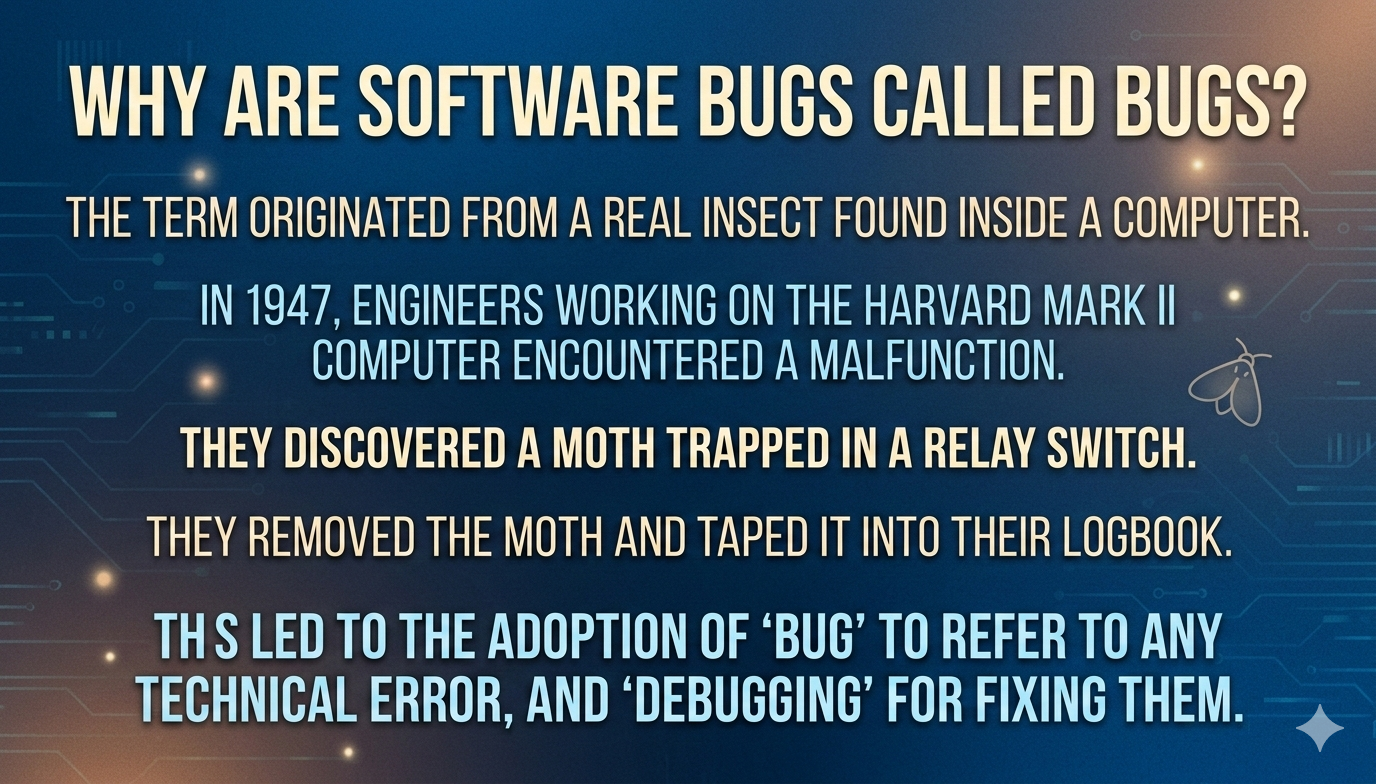
In modern software development, many users and developers often question stability issues and system errors. In discussions about system failures, people repeatedly ask why platforms behave unexpectedly and sometimes link these issues to design limitations. One common discussion point is why are endbugflow software called bugs because developers try to understand the origin of system errors and misconfigurations. Software products evolve quickly, and mistakes in coding logic or testing processes create confusion among users.
Software complexity increases every year, and companies attempt to reduce errors through automation and monitoring. However, when problems occur, teams analyze logs and debugging reports to identify root causes. Understanding system behavior helps organizations improve quality and performance.
Understanding Software Bugs
A software bug refers to an error or defect that causes unexpected behavior in an application. Many developers search for explanations when systems fail, and they often ask technical teams about issues related to stability. The phrase why are endbugflow software called bugs becomes relevant when teams observe recurring failures during integration and deployment.
Bugs can originate from incorrect coding syntax, logical errors, or compatibility conflicts between components. Testing processes aim to detect these issues before release. Despite careful development, errors sometimes remain hidden until real users interact with the system. Continuous monitoring helps reduce repeated failures.
Causes of Technical Errors
Development teams frequently investigate system logs to understand performance issues. They analyze memory usage, API responses, and database connectivity. During such investigations, stakeholders sometimes debate why are endbugflow software called bugs because errors appear after updates or configuration changes.
Common causes include:
- Incomplete testing before deployment
- Integration problems between modules
- Human mistakes in programming
- Outdated libraries or dependencies
- Server misconfiguration
Organizations operating in the United States often follow strict quality assurance standards to reduce these errors. Global teams adopt best practices to prevent system instability and improve reliability.
Impact on Business Operations
When software systems fail, business processes slow down. Customers experience delays, transaction errors, or interface glitches. Managers may question system reliability and ask technical experts why are endbugflow software called bugs when operational disruptions happen unexpectedly.
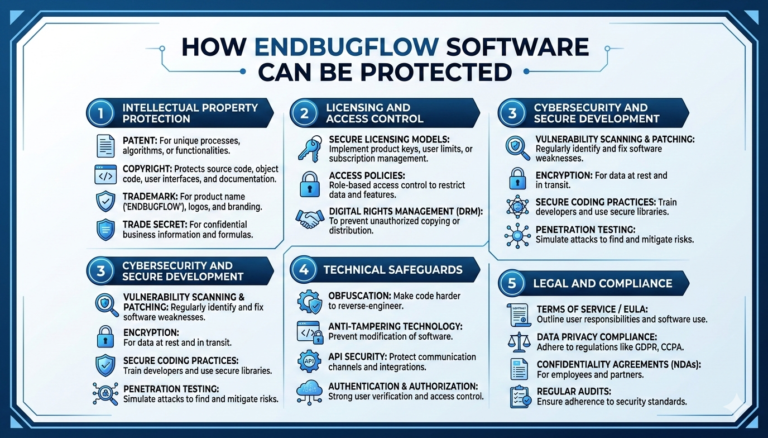
Frequent bugs reduce user trust and damage brand reputation. Companies invest in automated testing tools and performance monitoring dashboards to detect anomalies early. Quick response teams analyze root causes and release patches to fix identified issues. Continuous improvement reduces long-term operational risks. how endbugflow software can be protected
Debugging and Problem Resolution
Debugging is the process of identifying and fixing errors in software applications. Engineers review source code, test scenarios, and system behavior to trace failures. During troubleshooting sessions, discussions may include statements like why are endbugflow software called bugs as teams attempt to categorize recurring issues.
Effective debugging strategies include:
- Using logging tools to track execution flow
- Reviewing error messages carefully
- Conducting unit and integration testing
- Running automated test scripts
- Monitoring system performance metrics
Proper documentation helps developers understand previous fixes and avoid repeating mistakes. Teams that maintain detailed records improve efficiency and reduce confusion.
Role of Quality Assurance
Quality assurance teams play a critical role in minimizing software defects. They design test cases that simulate real user behavior and identify vulnerabilities before deployment. In technical meetings, analysts sometimes reference why are endbugflow software called bugs when reviewing defect reports.
QA processes typically include:
- Functional testing
- Security testing
- Load testing
- User acceptance testing
Organizations operating globally, including companies in the United States, invest heavily in structured testing frameworks. These frameworks ensure applications meet performance standards before public release.
Continuous Improvement Strategies
Modern software development follows agile methodologies to improve product quality continuously. Developers release frequent updates and gather user feedback to identify hidden issues. Conversations among engineers often revisit the topic why are endbugflow software called bugs because improvements depend on understanding repeated failures.
Continuous improvement involves:
- Monitoring user feedback
- Analyzing crash reports
- Updating dependencies regularly
- Refactoring inefficient code
By applying iterative development cycles, teams reduce long-term technical debt and improve system reliability.
Automation in Bug Detection
Automation tools help detect errors quickly during development. CI/CD pipelines run automated tests every time new code is added. Engineers sometimes reflect on system weaknesses and ask why are endbugflow software called bugs when automated scans detect recurring patterns.
Automation benefits include:
- Faster error detection
- Reduced manual testing effort
- Immediate notification of failures
- Consistent test execution
Advanced platforms use artificial intelligence to predict potential failures before deployment. Predictive analysis enhances system stability and prevents large-scale disruptions.
Security Vulnerabilities and System Risks
Security vulnerabilities are special types of software bugs that expose systems to threats. Hackers exploit weak authentication systems or outdated components. Security teams investigate incidents and sometimes analyze reports asking why are endbugflow software called bugs when vulnerabilities appear after updates.
Protection strategies include:
- Encryption of sensitive data
- Regular vulnerability scanning
- Secure authentication methods
- Patch management
Organizations across different regions, including companies based in the United States, prioritize cybersecurity to protect user data and maintain compliance.
User Experience and Feedback
User experience improves when applications operate smoothly without interruptions. When glitches occur, users report problems to support teams. Support specialists often document complaints that mention why are endbugflow software called bugs as part of troubleshooting records.
Collecting feedback enables developers to identify recurring issues. Survey data and analytics dashboards highlight problematic features. Improving usability reduces frustration and enhances customer satisfaction.
Future Development Trends
Software engineering continues evolving with advanced frameworks and cloud-based infrastructure. Developers aim to reduce defects through better architecture and improved testing methods. Research discussions sometimes revisit fundamental questions like why are endbugflow software called bugs to understand system weaknesses and design improvements.
Future trends include:
- AI-driven bug detection
- Automated code reviews
- Self-healing systems
- Real-time monitoring tools
These innovations minimize downtime and enhance system resilience.
Conclusion
Software bugs remain an unavoidable part of digital development, but structured processes significantly reduce their impact. Teams continuously analyze performance issues and investigate root causes when problems arise. Throughout technical discussions, professionals frequently explore why are endbugflow software called bugs to better understand recurring defects and system behavior.
By implementing strong quality assurance practices, automation tools, and security measures, organizations improve reliability and stability. Continuous improvement ensures that applications deliver better performance over time while minimizing disruptions for users around the world.