How Does Endbugflow Software Work – Complete Guide & Features
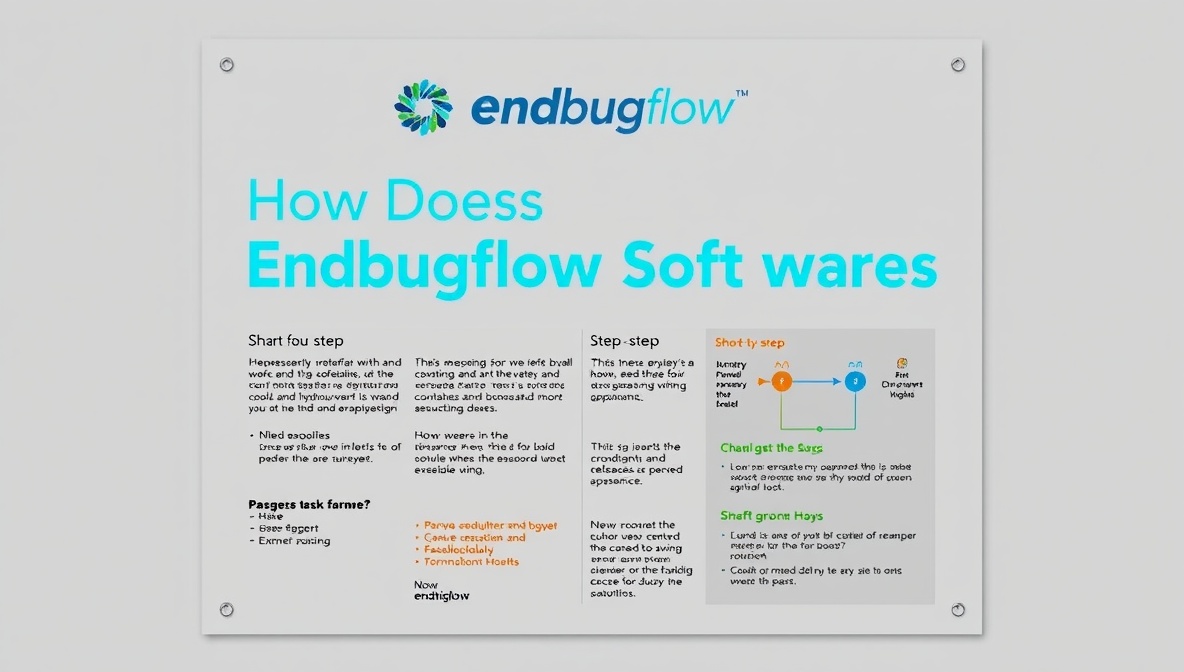
how does endbugflow software work plays a key role in modern digital automation systems and business optimization strategies. Understanding its structure and core mechanisms helps organizations improve efficiency and productivity across different operations.
Introduction
Modern businesses rely heavily on automation tools to manage workflows, detect errors, and streamline performance. Many professionals ask how does endbugflow software work when evaluating solutions for software management and debugging automation. This platform integrates intelligent monitoring systems with analytical tools to detect issues before they affect overall performance.
Organizations in the United States and other regions use advanced software systems to reduce manual effort and enhance operational accuracy. By implementing smart detection models and real-time tracking, companies gain better control over system performance and digital processes.
Core Concept Behind the System
At its foundation, the platform operates through automated scanning, error detection, and structured workflow management. The main objective is to identify inefficiencies and resolve technical glitches without requiring constant human supervision.
When users explore how does endbugflow software work, they discover that it relies on predefined algorithms that continuously monitor application performance. These algorithms evaluate system logs, user activities, and backend performance indicators to identify potential risks.
Key Features
1. Automated Monitoring
One important feature explains how does endbugflow software work in detecting system failures automatically. It scans applications continuously and flags unusual behavior in real time.
2. Error Detection and Reporting
The system generates detailed reports whenever issues are identified. These reports allow developers to quickly analyze errors and implement corrections.
3. Workflow Optimization
Businesses benefit from improved task management. Understanding how does endbugflow software work helps teams configure automated task routing and performance tracking.
4. Data Analysis Tools
The platform collects performance metrics and converts them into structured data insights. Analysts use this information to improve efficiency and reduce operational risks.
How the System Processes Information
To fully understand how does endbugflow software work, it is important to examine its processing flow.
- Data Collection – The system gathers information from applications, databases, and user interactions.
- Data Processing – Algorithms evaluate the collected data for inconsistencies.
- Issue Identification – If anomalies are detected, alerts are generated automatically.
- Reporting – Detailed insights are delivered to administrators for corrective action.
This continuous loop ensures stability and reduces downtime.
Technical Architecture
The architecture includes multiple integrated layers that support smooth functionality.
Backend Engine
The backend engine processes large data sets and executes automation commands efficiently. This component is critical when analyzing how does endbugflow software work because it handles core logic operations.
User Interface
A dashboard allows users to track progress and monitor system health. Real-time statistics make it easier to visualize performance metrics.
Database Integration
Secure storage mechanisms retain logs and performance history. Data management plays a major role in maintaining system reliability.
Benefits for Businesses
Organizations adopt this system because it offers several advantages.
Increased Efficiency
Automation reduces manual workload and accelerates task completion.
Reduced Errors
Continuous monitoring minimizes technical mistakes and operational failures. gh5a9.4fd software free
Cost Savings
By preventing system breakdowns, companies save maintenance expenses and operational costs.
Improved Collaboration
Teams can track updates and coordinate actions efficiently through shared dashboards.
Understanding how does endbugflow software work helps decision-makers evaluate whether it fits their business needs.
Implementation Process
Deploying the system involves structured steps:
- Installation on servers or cloud platforms
- Configuration of monitoring parameters
- Integration with existing software tools
- Testing performance and adjusting settings
After deployment, continuous optimization ensures maximum performance.
Security Measures
Security is a priority in modern automation systems. Encryption protocols protect sensitive data from unauthorized access.
Access control mechanisms ensure that only authorized users modify system configurations. When organizations analyze how does endbugflow software work, they often focus on these security features to maintain data protection.
Use Cases
Software Development
Developers use it to detect coding errors and system bugs during testing phases.
Enterprise Operations
Large organizations integrate it to monitor internal tools and employee workflows.
E-Commerce Platforms
Online businesses apply automated tracking to prevent transaction errors and system downtime.
IT Support Systems
Support teams rely on automated alerts to respond quickly to technical issues.
Industry Adoption
Many industries including technology firms, financial institutions, and healthcare organizations use this platform for automation.
In the United States, digital transformation initiatives encourage businesses to adopt intelligent monitoring tools to remain competitive.
Performance Optimization Techniques
To maximize effectiveness, companies configure advanced monitoring thresholds and performance indicators.
Regular updates improve algorithm accuracy and enhance detection capabilities.
Professionals researching how does endbugflow software work often experiment with different settings to achieve optimal results.
Challenges and Limitations
Despite its advantages, some limitations exist:
- Initial setup complexity
- Requirement for technical expertise
- Dependency on accurate configuration
However, proper training and documentation reduce these challenges significantly.
Future Developments
The system is expected to integrate artificial intelligence and machine learning models to enhance predictive analysis.
Future updates may include advanced automation features, smarter anomaly detection, and improved reporting systems.
As technology evolves, understanding how does endbugflow software work becomes more important for digital transformation strategies.
Best Practices for Users
- Regularly update system components
- Monitor dashboards daily
- Review automated reports
- Adjust alert thresholds based on performance
Following these practices ensures smooth functionality and improved system reliability.
Conclusion
In summary, automation tools continue to transform business operations worldwide. Companies often investigate how does endbugflow software work to determine how it enhances workflow efficiency and reduces errors.
Through real-time monitoring, automated reporting, and structured data analysis, the platform improves operational stability. Organizations in the United States and other regions benefit from its intelligent design and scalable architecture.
By implementing best practices and maintaining proper configuration, businesses can maximize performance and achieve long-term success using this advanced software solution.