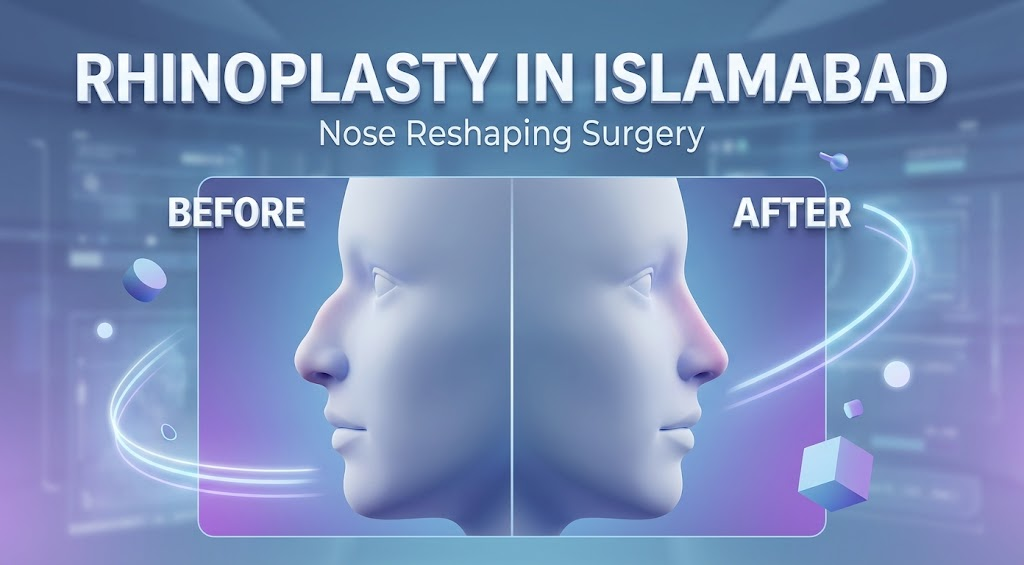
Your Patient Guide: Rhinoplasty in Islamabad Explained!
Rhinoplasty is a popular cosmetic and functional procedure that reshapes the nose to improve facial balance, breathing, or both. People may consider surgery because of a bump, crooked appearance, wide nasal structure, injury, or difficulty breathing. A successful procedure should be based on realistic expectations, careful planning, and a qualified surgeon rather than trends alone.
What Is Rhinoplasty?
Rhinoplasty is surgery that changes the bone, cartilage, skin, or internal structures of the nose. Depending on the patient’s needs, it can reduce or increase nasal size, refine the tip, narrow the bridge, correct asymmetry, or improve airflow. Some procedures are mainly cosmetic, while others combine appearance changes with functional correction.
Why Do People Choose Surgery?
Patients often seek Rhinoplasty in Islamabad for several different reasons. Some want to improve facial proportions or address a feature they have disliked for years. Others have nasal obstruction, a deviated septum, or changes caused by previous trauma. Understanding the reason for surgery helps the surgeon develop a treatment plan that addresses the actual concern.
Cosmetic improvement should still preserve a natural appearance and, when needed, healthy nasal function. A nose that looks attractive in isolation may not suit the rest of the face. For this reason, experienced surgeons consider facial structure, skin thickness, profile, front view, and breathing when planning the procedure.
Choosing the Right Surgeon
Selecting a qualified plastic or facial plastic surgeon is one of the most important decisions. Look for appropriate surgical training, relevant experience, a licensed clinical setting, and clear communication. During consultation, ask about the surgeon’s experience with procedures similar to yours and whether before-and-after photographs can be reviewed.
Patients considering Rhinoplasty in Islamabad should also ask where surgery will take place, who provides anesthesia, what follow-up is included, and how complications are handled. Avoid choosing a provider based only on a low price or heavily edited social media photographs. Safety, credentials, realistic planning, and follow-up care should receive greater attention than promotional offers.
What Happens During Consultation?
The consultation is an opportunity to explain what you like and dislike about your nose and to discuss breathing concerns. Your surgeon may examine the internal and external structures, review your medical and surgical history, and ask about medications, allergies, smoking, and previous nasal injuries. Photographs may be taken for planning and comparison.
If you are considering Rhinoplasty in Islamabad, bring a clear idea of your goals but remain open to professional advice. Computer imaging can sometimes help communicate possibilities, but it should not be treated as a guarantee of the final result. Your surgeon should explain limitations, expected changes, risks, recovery, and whether additional procedures could be appropriate.
How to Prepare for Surgery
Preparation can make recovery easier. Follow your surgeon’s instructions regarding medications, supplements, smoking, alcohol, eating, and drinking before surgery. A detailed plan helps reduce uncertainty and improve preparation. Arrange transportation home and, if recommended, have a responsible adult available during the early recovery period. Prepare a comfortable resting area with supplies within easy reach.
Patients should disclose all medicines and health conditions honestly because these details can affect anesthesia, bleeding, healing, and surgical planning. Do not stop prescribed medicines unless your medical team specifically advises you to do so.
The Surgical Procedure
Rhinoplasty may involve reshaping the nasal bones, cartilage, septum, or soft tissues. The surgeon may remove, reposition, or add cartilage to create support and improve contour. In functional cases, internal structures may also be adjusted to improve airflow.
After the procedure, the nose may be supported with a splint, and temporary packing may sometimes be used. The duration varies according to complexity, so patients should ask their surgeon what is expected for their specific operation rather than relying on a standard time.
Recovery and Aftercare
Recovery from Rhinoplasty in Islamabad is gradual. Swelling and bruising are common during the first days, particularly around the nose and eyes. A splint may remain for about a week, depending on the surgeon’s technique and instructions. Many people return to light daily activities relatively quickly, but strenuous exercise and activities that could injure the nose usually need to be avoided for longer.
Keeping your head elevated, following wound-care instructions, and attending scheduled appointments can support recovery. Avoid blowing your nose or applying pressure unless your surgeon says it is safe.
Results and Expectations
The visible result develops progressively. Some improvements may be noticeable after the initial swelling decreases, but subtle swelling can remain for many months. Skin thickness, healing characteristics, surgical technique, and the extent of reshaping all influence the timeline. A final result should therefore be assessed patiently and according to the surgeon’s guidance.
Good Rhinoplasty in Islamabad planning focuses on harmony rather than creating an identical nose for every patient. The goal may be a straighter bridge, refined tip, improved profile, better symmetry, or easier breathing.
Risks You Should Understand
Like any operation, rhinoplasty has risks. Possible complications include bleeding, infection, anesthesia-related problems, prolonged swelling, scarring, numbness, asymmetry, changes in smell, breathing difficulties, or dissatisfaction with appearance. Revision surgery may sometimes be necessary if healing or the result does not meet expectations.
Before choosing Rhinoplasty in Islamabad, ask your surgeon to explain both common and less common risks in terms you understand. You should also know what symptoms require urgent medical attention after surgery.
Cost and Clinic Considerations
The cost of rhinoplasty can vary substantially depending on the surgeon’s experience, surgical complexity, anesthesia, facility charges, consultations, medications, and follow-up. A straightforward cosmetic procedure may have different costs from revision surgery or a procedure that also addresses functional problems. Ask for a written breakdown rather than relying on a single advertised figure.
When comparing Rhinoplasty in Islamabad options, consider the complete value of care. A lower initial fee may not represent the same level of surgical expertise, facility standards, anesthesia support, or follow-up. Choose a clinic where your questions are answered clearly and where the treatment plan is tailored to your anatomy and goals.
Is Rhinoplasty Right for You?
The right candidate is generally someone with realistic expectations who understands the procedure, its limitations, recovery, and potential risks. Physical development, overall health, nasal anatomy, and personal goals all matter. If breathing problems are present, they should be evaluated rather than treating appearance as the only concern.
A consultation is the best way to determine suitability and discuss your anatomy, goals, medical history, and expected recovery before scheduling surgery. Do not feel pressured to decide immediately. Take time to compare qualified surgeons, understand the proposed technique, review recovery instructions, and consider whether the expected benefits justify the risks and cost.
Final Thoughts
Rhinoplasty in Islamabad can provide meaningful cosmetic and functional benefits when carefully planned and performed by an appropriately qualified surgeon. The best outcomes come from individualized assessment, realistic expectations, safe surgical practice, and consistent aftercare.
If you are exploring Rhinoplasty in Islamabad, focus first on qualifications, facility standards, consultation quality, and a clear understanding of what surgery can realistically achieve. A thoughtful decision made after professional evaluation is more valuable than choosing a procedure based on price, trends, or promises of instant perfection.